
ენერგიის წყაროები დამტვირთველებისთვის
დამტვირთველების ავტოპარკისთვის სწორი ენერგიის წყაროს შერჩევა უმნიშვნელოვანესია სამუშაო ტემპის შესანარჩუნებლად, პროდუქტიულობის გასაზრდელად და გარემოზე მავნე ზემოქმედების შესამცირებლად.
გთავაზობთ ენერგიის წყაროების სრულ ასორტიმენტს: შიგაწვის ძრავებს (დიზელსა და თხევად გაზს – LPG), ტყვია-მჟავისა და ლითიუმ-იონის ბატარეებს, ასევე წყალბადის სათბობ ელემენტებს (hydrogen fuel cell). ჩვენი სპეციალისტები დაგეხმარებიან საოპერაციო პროცესების გაანალიზებაში, რათა ერთად ვიპოვოთ საუკეთესო ვარიანტი. თითოეულ პარტნიორთან ინდივიდუალურად ვთანამშრომლობთ, რათა ზუსტად თქვენს მოთხოვნებზე მორგებული სისტემა შევქმნათ.
ენერგიის წყაროები ტოიოტას დამტვირთველებისთვის
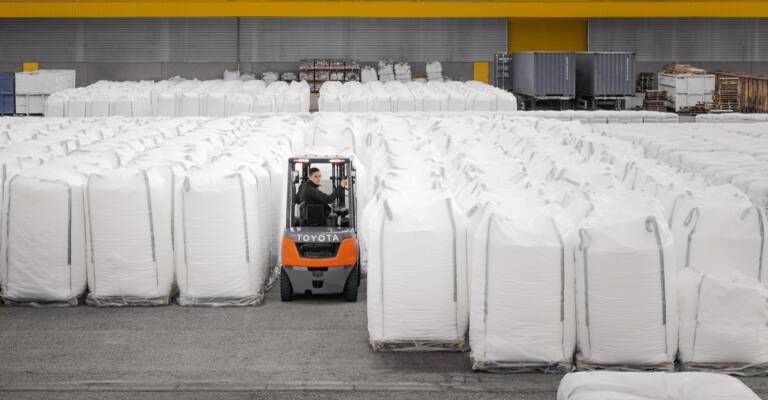
შიგაწვის ძრავა
შიგაწვის ძრავიანი დამტვირთველის შეძენა, ელექტრო ტექნიკასთან შედარებით, ნაკლებ საწყის ხარჯებთანაა დაკავშირებული. ისინი საუკეთესოა ღია სივრცეებში სამუშაოდ და კარგად უმკლავდება რთულ ამინდს, მათ შორის წვიმას.

ტყვია-მჟავის ბატარეა
ტყვია-მჟავის ბატარეა ყველაზე ხელმისაწვდომია, ფართოდ გამოიყენება და ნებისმიერი ტიპის სამუშაოს ერგება. ის კარგი არჩევანია მარტივი ლოგისტიკური პროცესებისთვის და პასუხობს ცირკულარული ეკონომიკის პრინციპებს, რადგან მისი 98%-ის გადამუშავებაა შესაძლებელი.
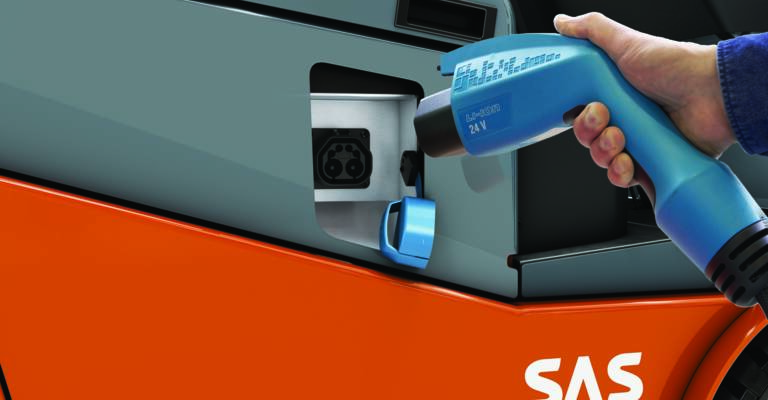
ლითიუმ-იონის ბატარეა
ლითიუმ-იონის ბატარეა მუდმივად მაქსიმალურ სიმძლავრეს ინარჩუნებს, მიუხედავად იმისა, თუ რამდენი პროცენტია დარჩენილი დამუხტვამდე. ეს ტექნოლოგია საიმედო და უსაფრთხო გზაა საწყობის აღჭურვილობის ენერგიით უწყვეტად მოსამარაგებლად.
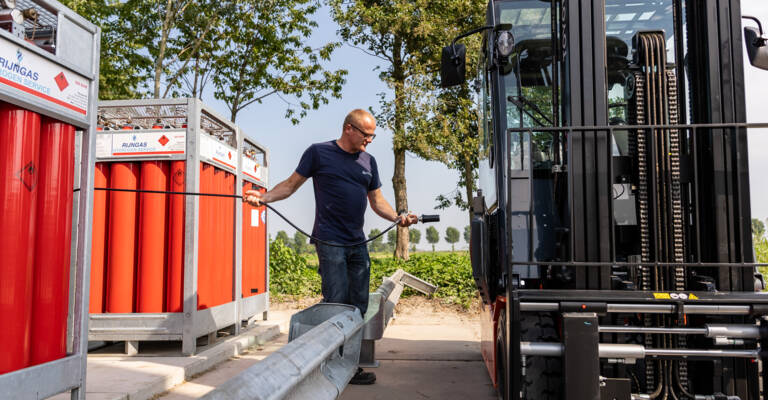
წყალბადის ელემენტები
წყალბადის სათბობი ელემენტები აერთიანებს ელექტრო ტექნიკის ეკოლოგიურობასა და შიდაწვის ძრავისთვის დამახასიათებელ პრაქტიკულობას, კერძოდ, საწვავის სწრაფად შევსების შესაძლებლობას. თუ თქვენს საწყობში ინტენსიური და მძიმე სამუშაოები სრულდება, ეს ტექნოლოგია საუკეთესო არჩევანია.
ენერგიის რომელი წყაროა შესაფერისი ჩემი დამტვირთველებისთვის?
ენერგიის საუკეთესო წყაროს შესარჩევად, თქვენთან ერთად შევაფასებთ ბიზნესის საჭიროებებს. კარგად ვიცით, რომ საოპერაციო ხარჯებს დიდი წილი აქვს ტექნიკის მფლობელობის საერთო ღირებულებაში (TCO), ამიტომაც სწორი არჩევანის გაკეთება უმნიშვნელოვანესია.
ლითიუმ-იონი
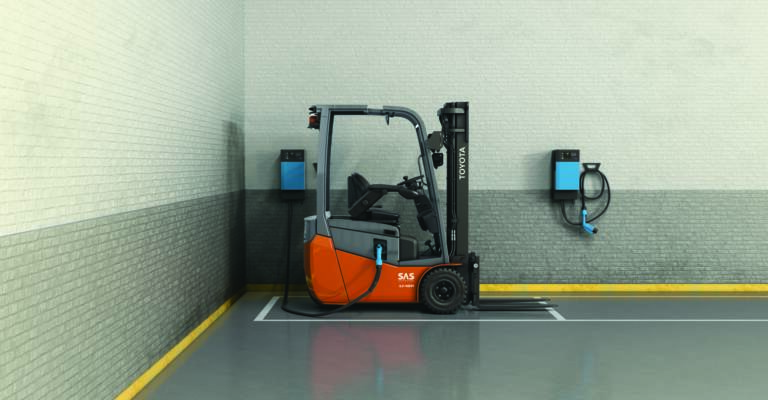
სრული დამუხტვის დრო: 80 წუთი
დამტენი ინფრასტრუქტურა: არ საჭიროებს სპეციალურ სამუშაოებს, იტენება სტანდარტული ელექტროქსელიდან
ტექნიკური მომსახურება: არ სჭირდება
სასიცოცხლო ციკლი: 5 000 დამუხტვა
ემისიები: ნულოვანი (მწვანე ენერგიის გამოყენებისას)
ხელმისაწვდომობა: სრულ ელექტრო ასორტიმენტზე
ძირითადი უპირატესობები:
- სამჯერ მეტი სასიცოცხლო ციკლი ტყვია-მჟავის ბატარეასთან შედარებით
- 30%-ით მეტი ენერგოეფექტურობა ტყვია-მჟავასთან შედარებით
- მარტივი და სწრაფი დამუხტვა
- არ სჭირდება ბატარეის მომსახურება
- ნულოვანი ემისია მწვანე ენერგიის გამოყენებისას
- მცირე ხარჯები მთელი სასიცოცხლო ციკლის განმავლობაში
ტყვია-მჟავა

სრული დამუხტვის დრო: 8-12 საათი
დამტენი ინფრასტრუქტურა: საჭიროებს სპეციალურ სატენ ოთახს
ტექნიკური მომსახურება: ინტენსიურად, საჭიროებს გამოხდილი წყლის დამატებას.
სასიცოცხლო ციკლი: 5000 დამუხტვა
ემისიები: ქიმური ნაერთების ემისია დატენვის პროცესში
ხელმისაწვდომობა: სრულ ელექტრო ასორტიმენტზე
ძირითადი უპირატესობები:
- ხარჯეფექტური
- გადამუშავებადი
- ნაცადი და გამოცდილი ტექნოლოგია
- ხელმისაწვდომია ელექტრო დამტვირთველების უმრავლესობაზე
შიგაწვის ძრავი - LPG
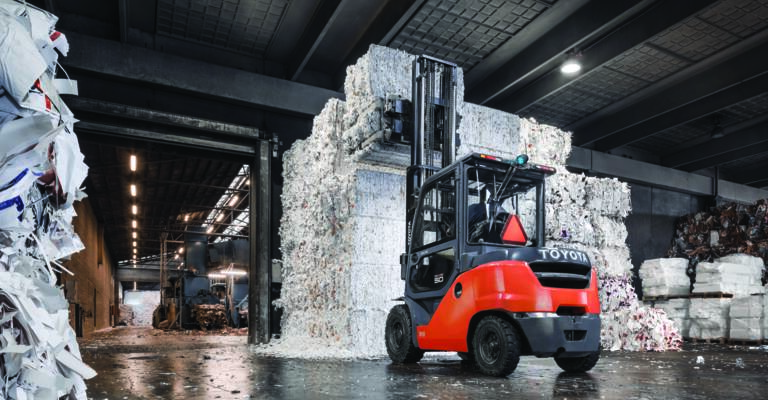
სრული დამუხტვის დრო: ბალონის სწრაფი შეცვლა უწყვეტი მუშაობისთვის
დამტენი ინფრასტრუქტურა: საჭიროებს გაზის ბალონების უსაფრთხო შენახვასა და მოპყრობას რეგულაციების შესაბამისად
ტექნიკური მომსახურება: საჭიროებს ზეთისა და წყლის რეგულარულ შემოწმებას. ძრავები შექმნილია მარტივი მომსახურებისთვის თვითწმენდადი კომპონენტებით
სასიცოცხლო ციკლი: გამძლეა, ხანგრძლივი და მაღალი პროდუქტიულობის რესურსით
ემისიები: დიზელზე ნაკლები ემისია, თუმცა არა ნულოვანი
ძირითადი უპირატესობები:
- დაბალი საწყისი ღირებულება ელექტრო სატვირთოსთან შედარებით
- იდეალურია გარე გამოყენებისთვის
- მოხერხებულია არახელსაყრელი ამინდის პირობებში (მაგ. წვიმაში)
- არ საჭიროებს დატენვას
- საწვავით შევსება სწრაფი და იოლია
შიგაწვის ძრავი - დიზელი

შევსების დრო: სწრაფი გამართვა ობიექტზე არსებული დიზელის ავზიდან
შევსების ინფრასტრუქტურა: საჭიროებს საწვავის უსაფრთხო ავზსა და შესაბამის სივრცეს ობიექტზე
ტექნიკური მომსახურება: საჭიროებს ზეთისა და წყლის რეგულარულ შემოწმებას. ძრავები შექმნილია მარტივი მომსახურებისთვის თვითწმენდადი კომპონენტებით
სასიცოცხლო ციკლი: ხანგრძლივი და განკუთვნილია რთულ პირობებში მუშაობისთვის
ემისიები: Stage V ძრავები შედარებით სუფთაა, თუმცა არა ნულოვანი ემისიით
ძირითადი უპირატესობები:
- ელექტრო დამტვირთველზე დაბალი საწყისი ფასი
- იდეალურია გარე გამოყენებისთვის
- გამძლეა რთულ ამინდში, მათ შორის წვიმაში
- არ სჭირდება დატენვის ლოდინი
- საწვავით შევსება სწრაფი და იოლია
წყალბადის ბატარეა
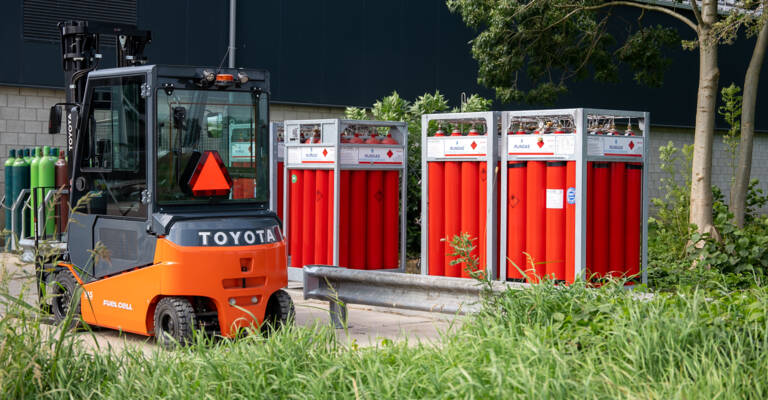
დამუხტვის დრო: 3 წუთი
შევსების ინფრასტრუქტურა: საჭიროებს დამტენ სადგურსა და დამატებითი ელექტროლიზერს
ტექნიკური მომსახურება: მინიმალური
სასიცოცხლო ციკლი: 10 წელი
ემისიები: ნულოვანი ხელმისაწვდომია: ელექტრო დამტვირთველეიბის 90% შემთხვევაში
ძირითადი უპირატესობები:
- CO2-ის ნულოვანი ემისია
- სწრაფი შევსება
- მარტივი შენახვა და ტრანსპორტირება
- სიმძლავრის/წარმადობის შენარჩუნება ცარიელ ავზზეც კი
- მინიმალური/დაბალი ტექნიკური მომსახურება
- შესაძლებელია არსებულ ტექნიკაში ინტეგრირება/მორგება
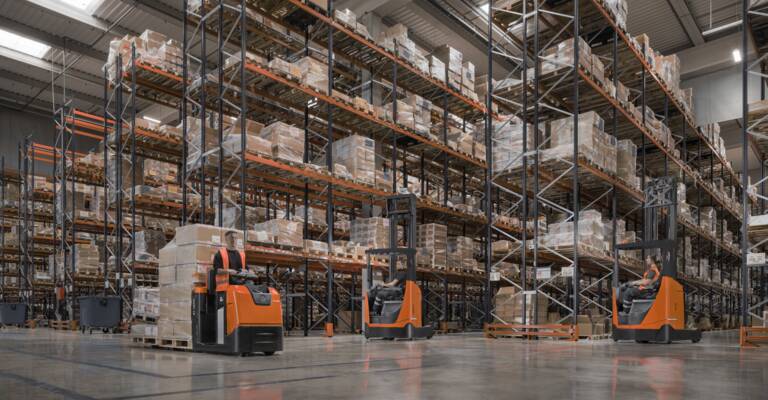
ჩვენი ენერგეტიკული სისტემები დაგეხმარებათ:
- თავიდან აიცილოთ ტექნიკის უმოქმედობა ბატარეის გამო
- შეამციროთ ენერგიის მოხმარება და მავნე ემისიები
- შეამციროთ საოპერაციო ხარჯები
- უკეთ გამოიყენოთ საწყობის სივრცე
- გაზარდოთ ტექნიკის მუშაობის ხანგრძლივობა
- მოაწესრიგოთ წარმოების ვადები
- გამოიყენოთ მარტივი, უსაფრთხო და საიმედო ენერგიის წყარო ყოველგვარი კომპრომისის გარეშე
ენერგიის რომელი წყაროა შესაფერისი ჩემი დამტვირთველებისთვის?
მიუხედავად იმისა, რომ ტყვია-მჟავის ბატარეები წლების განმავლობაში მთავარი ენერგიის წყარო იყო, Toyota Material Handling-მა ჯერ კიდევ 2013 წელს დაიწყო ლითიუმ-იონის ბატარეების დანერგვა. მას შემდეგ ეს ტექნოლოგია სწრაფად იქცა ერთ-ერთ წამყვან ძალად. როგორც ლითიუმ-იონის ბატარეები, ისე წყალბადის სისტემები კომპანიებს ეხმარება გარემოსდაცვითი მიზნების მიღწევაში, რადგან ისინი ბევრად ნაკლებ ენერგიას მოიხმარს, ვიდრე ტყვია-მჟავის ბატარეები.
სწორი არჩევანი მთლიანად თქვენი ბიზნესის პრიორიტეტებზეა დამოკიდებული.
ლითიუმ-იონი
სრული დამუხტვის დრო: 80 წუთი
დამტენი ინფრასტრუქტურა: არ საჭიროებს სპეციალურ სამუშაოებს, იტენება სტანდარტული ელექტროქსელიდან
ტექნიკური მომსახურება: არ სჭირდება
სასიცოცხლო ციკლი: 5 000 დამუხტვა
ემისიები: ნულოვანი (მწვანე ენერგიის გამოყენებისას)
ხელმისაწვდომობა: სრულ ელექტრო ასორტიმენტზე
წყალბადის ტექნოლოგია
დამუხტვის დრო: 3 წუთი
შევსების ინფრასტრუქტურა: საჭიროებს დამტენ სადგურსა და დამატებითი ელექტროლიზერს
ტექნიკური მომსახურება: მინიმალური
სასიცოცხლო ციკლი: 10 წელი
ემისიები: ნულოვანი
ხელმისაწვდომია: ელექტრო დამტვირთველეიბის 90% შემთხვევაში
ტყვია-მჟავა
სრული დამუხტვის დრო: 8-12 საათი
დამტენი ინფრასტრუქტურა: საჭიროებს სპეციალურ სატენ ოთახს
ტექნიკური მომსახურება: ინტენსიურად, საჭიროებს გამოხდილი წყლის დამატებას.
სასიცოცხლო ციკლი: 5000 დამუხტვა
ემისიები: ქიმური ნაერთების ემისია დატენვის პროცესში
ხელმისაწვდომობა: სრულ ელექტრო ასორტიმენტზე
ლითიუმ-იონი
წყალბადის ტექნოლოგია
ტყვია-მჟავა
როგორ ეხმარება შიდაწვის ძრავი ჩემს საქმიანობას?
შიგაწვის ძრავიანი დამტვირთველის საწყისი ფასი ელექტრო ტექნიკასთან შედარებით დაბალია. ისინი იდეალურია ღია სივრცეებისთვის და სტაბილურად მუშაობს არახელსაყრელ ამინდშიც, მაგალითად, წვიმაში. შიდა სივრცეში გამოსაყენებლად საჭიროა გამართული სავენტილაციო სისტემა, რათა გამონაბოლქვი უსაფრთხოდ გაანიავოთ. შიგაწვის ძრავებს არ სჭირდებათ დამუხტვის დრო და მათი საწვავით გამართვა ძალიან სწრაფადაა შესაძლებელი შესაბამისი ინფრასტრუქტურის არსებობისას.
Toyota-ს შიგაწვის ძრავიანი დამტვირთველები აკმაყოფილებს ევროპულ Stage V ემისიების სტანდარტებს. ისინი ხელმისაწვდომია დიზელსა და თხევად გაზზე (LPG), ხოლო მათი ტვირთამწეობა 8 ტონამდე აღწევს.
შიგაწვის ძრავიანი დამტვირთველების უპირატესობები:
- საწვავის ეფექტური მოხმარება და ხანგრძლივი მუშაობა გამართვებსშორის
- ნაკლები საწყისი დანახარჯები
- თხევადი გაზის (LPG) ბალონების სწრაფი შეცვლა
- იდეალურია ღია სივრცეში მუშაობისთვის
ენერგიის წყაროს კალკულატორი
თქვენი ავტოპარკისთვის შესაფერისი ენერგიის წყაროს შერჩევა ძალიან მარტივია. გამოიყენეთ ჩვენი კალკულატორი და გაიგეთ, რომელი ვარიანტია თქვენთვის საუკეთესო.
გამოთვალე ბატარეის ხარჯები
დაგეხმარებით საუკეთესო ვარიანტის შერჩევაში.

ვითვალისწინებთ თქვენი საქმიანობის სპეციფიკას, საოპერაციო რეჟიმს, ტექნიკის დატვირთვის ინტენსივობას, კომპანიის ხედვასა და გარემოსდაცვით მიზნებს, რათა დაგეხმაროთ იდეალური ენერგიის წყაროს პოვნაში.
შეარჩიეთ ტექნიკა
იპოვეთ თქვენთვის სასურველი ენერგიის წყარო? ახლა შევარჩიოთ შესაბამისი დამტვირთველი. ქვემოთ მოცემული ოთხი პოპულარული კატეგორია სწორი არჩევანის გაკეთებაში დაგეხმარებათ:
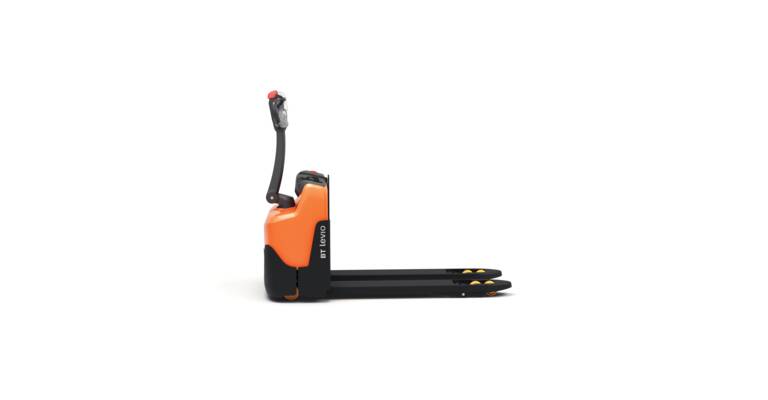
კომპაქტური, მსუბუქი და მანევრირებადი
- მაღალი ენერგოეფექტურობა
- მარტივი მართვა
- იდეალურია შეზღუდული სივრცეებისთვის
- აგებულია ლითიუმ-იონის ბატარეის ბაზაზე
რეკომენდაცია:
Toyota BT Levio LWI160 არის ელექტრო ურიკა, რომელიც იდეალურია ვიწრო დერეფნებში – მაღაზიებში, სავაჭრო ობიექტებსა თუ სუპერმარკეტებში მუშაობისთვის.
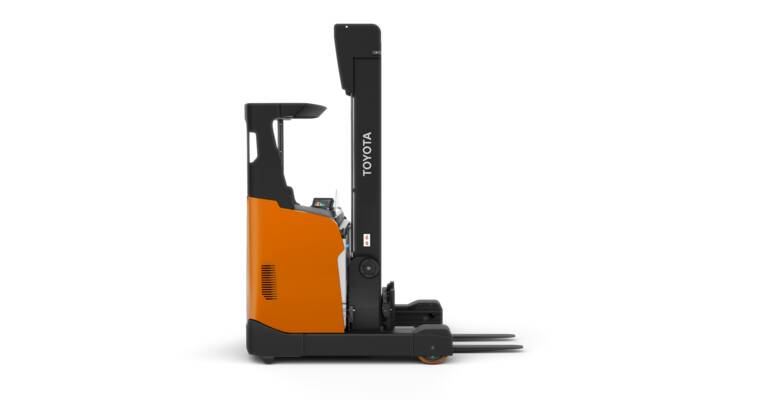
მაღალპროდუქტიული და კომფორტული
- გამოცდილი ინოვაციები
- ერგონომიული საოპერატორო სივრცე
- აწევის სიმაღლე 13 მეტრამდე
- ლითიუმ-იონის ჭკვიანი ბატარეები
რეკომენდაცია:
ჩვენი რიჩ დამტვირთველების ასორტიმენტი მრავალმხრივია და ერგება როგორც შიდა, ისე გარე სამუშაოებსა თუ შეზღუდულ სივრცეებს.

ეფექტური შიდა და გარე სამუშაოებისთვის
- მაღალი მანევრირებადობა
- ხელმისაწვდომია 3 და 4-საყრდენიანი ვერსიები
- კომფორტული მართვის პანელი
- ხელმისაწვდომია ლითიუმ-იონის ბატარეით
რეკომენდაცია:
Toyota Traigo 48 მოდელები გამოირჩევა კარგი ხილვადობითა და მაღალი პროდუქტიულობით.
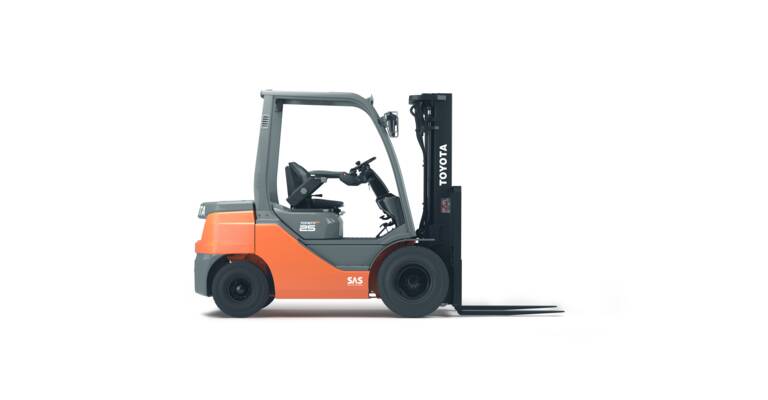
გამძლე, მძლავრი და საიმედო
- გარე სამუშაოებისთვის
- უსწორმასწორო ზედაპირებისთვის
- ჰიდროტრანსფორმატორული (Torque converter) ან ჰიდროსტატიკური (HST) ტრანსმისია
- ხელმისაწვდომია დიზელსა და თხევად გაზზე (LPG)
რეკომენდაცია:
Toyota Tonero სერია (1.5-დან 8 ტონამდე) აღჭურვილია მძლავრი და საიმედო ინდუსტრიული ძრავებით, რომლებიც ტექნიკას გამორჩეულ სტაბილურობას ანიჭებს.
გააანალიზეთ ბატარეების მუშაობა I_Site სისტემით
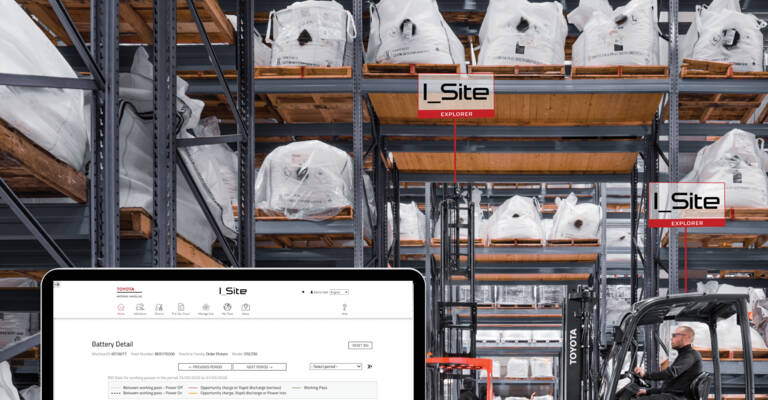
ჩვენი ავტოპარკის მართვის სისტემა I_Site გთავაზობთ ბატარეების მონიტორინგის ფუნქციას (I_Site Explorer პაკეტში), რაც გეხმარებათ ბატარეების მუშაობის გაანალიზებასა და ენერგოეფექტურობის გაზრდაში.
ლითიუმ-იონის ბატარეები შუალედური დამუხტვის შესაძლებლობას იძლევა. ტყვია-მჟავის ბატარეებისგან განსხვავებით, ხშირი დამუხტვა არ აზიანებს მათ სასიცოცხლო ციკლს. პირიქით, მოკლე შესვენებების დროს დამუხტვა ხელს უწყობს ტექნიკის უწყვეტ მუშაობას. I_Site Explorer-ის დახმარებით შეგიძლიათ, თვალი ადევნოთ ბატარეის დამუხტვის დონეს. ტექნიკის უქმად დგომის დროს დამუხტვა გამორიცხავს მოულოდნელ შეფერხებებს.
გსურთ გაიგოთ მეტი ლითიუმის ბატარეების შესახებ? იხილეთ პასუხები ხშირად დასმულ კითხვებზე ბმულზე >>
ჩვენი ეკოლოგიური პასუხისმგებლობა
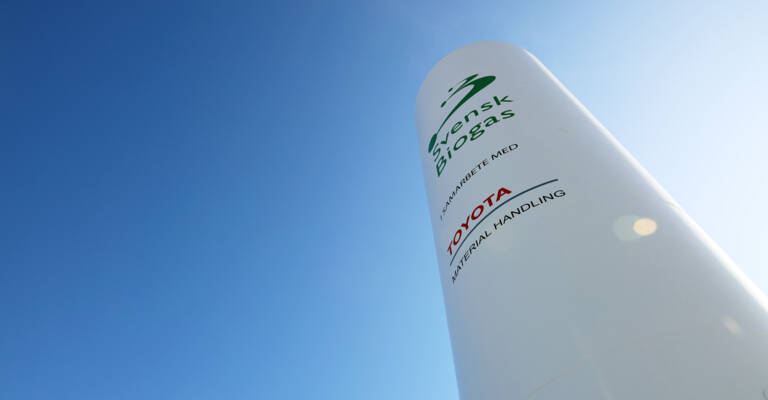
ჩვენი კომპანიის მთავარი ფილოსოფიაა ნულოვანი დანაკარგი (Zero Muda) და ეს ხედვა ვრცელდება ენერგეტიკაზეც. ჩვენი მიზანია, 2030 წლისთვის ჩვენი საწარმოო პროცესები სრულიად გაათავისუფლოს ნახშირორჟანგის (CO2) ემისიისგან.
ამ მიზნის მისაღწევად ჩვენი ენერგეტიკული პოლიტიკა 3 ძირითად მიმართულებას ეფუძნება:
- ნულოვანი ემისიები ჩვენს საწარმოებში
- ემისიების შემცირება მიწოდების ჯაჭვში და პარტნიორობა მომწოდებლებთან
- ეკოლოგიურად სუფთა პროდუქციისა და გადაწყვეტილებების სრული ასორტიმენტის შექმნა
2019 წლის აგვისტოდან შვედეთში მდებარე Toyota-ს ქარხანა გახდა პირველი ობიექტი, რომელიც სრულიად მწვანე ენერგიასა და თხევად ბიოგაზს იყენებს და ნულოვანი ემისიით მუშაობს
შეიტყვე მეტი ტოიოტას ინდუსტრიული ტექნიკის მდგრადობის პოლიტიკის შესახებ ევროპაში >>
შესაძლოა დაგაინტერესოთ
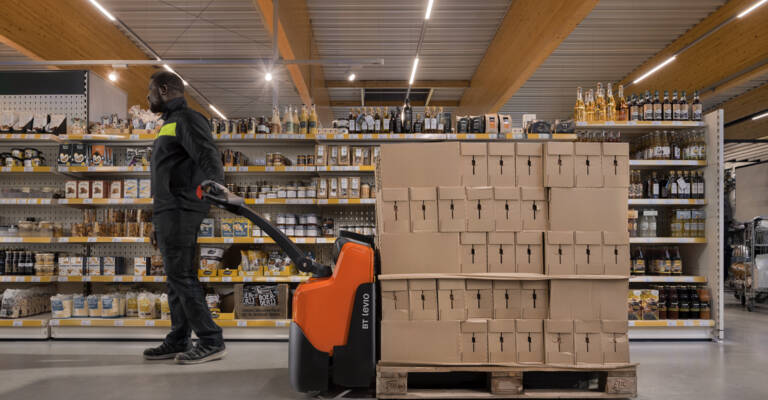
ეწვიე ონლაინ მაღაზიას
იხილეთ მეტი ინფორმაცია პროდუქტზე, მახასიათებლებსა და დამატებით კომპლექტაციაზე ჩვენი დამტვირთველებისთვის, როგორებიცაა: რიჩტრაკები, ელექტრო ურიკები და შეკვეთების შემგროვებლები.
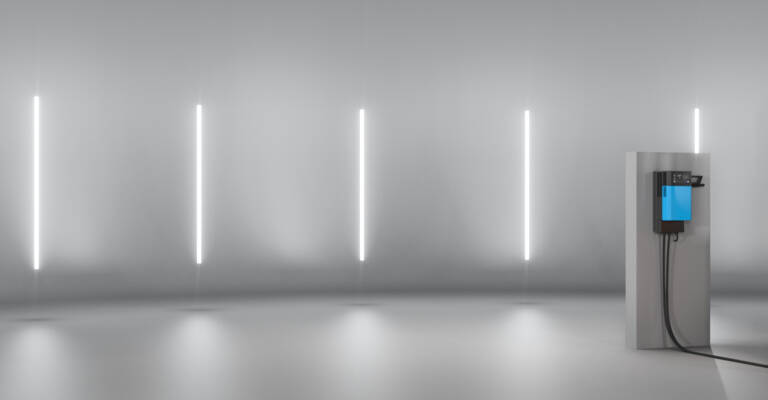
ლითიუმ-იონის სისტემები Toyota-სგან
ბატარეები, რომლებსაც ტექნიკური სერვისი არ სჭირდება, დამტვირთველებს დღე-ღამის განმავლობაში შეუფერხებლად ამუშავებს. დეტალური ინფორმაცია ლითიუმ-იონის ბატარეებზე, როგორც Toyota-ს ტექნიკის ენერგიის წყაროზე, ცალკე გვერდზეა მოცემული.
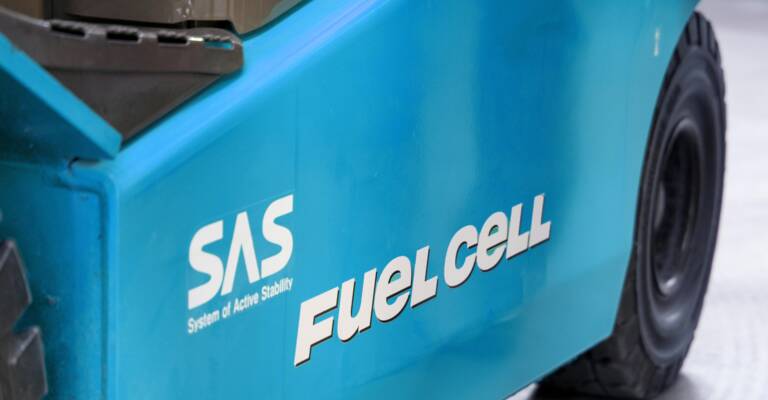
წყალბადის ელემენტები
ეს ტექნოლოგია აერთიანებს ელექტრო ტექნიკის ეკოლოგიურობასა და შიგაწვის ძრავის პრაქტიკულობას – კერძოდ, სწრაფად გამართვის შესაძლებლობას.
ჩვენი მიდგომა მდგრადი განვითარებისადმი
2023 წლის ანგარიში სრულად შეესაბამება ESRS სტანდარტებს, სადაც გაწერილია ჩვენი მომდევნო 10 წლის გარემოსდაცვითი მიზნები.